Biochemistry laboratory, ICAR-CICR, Nagpur
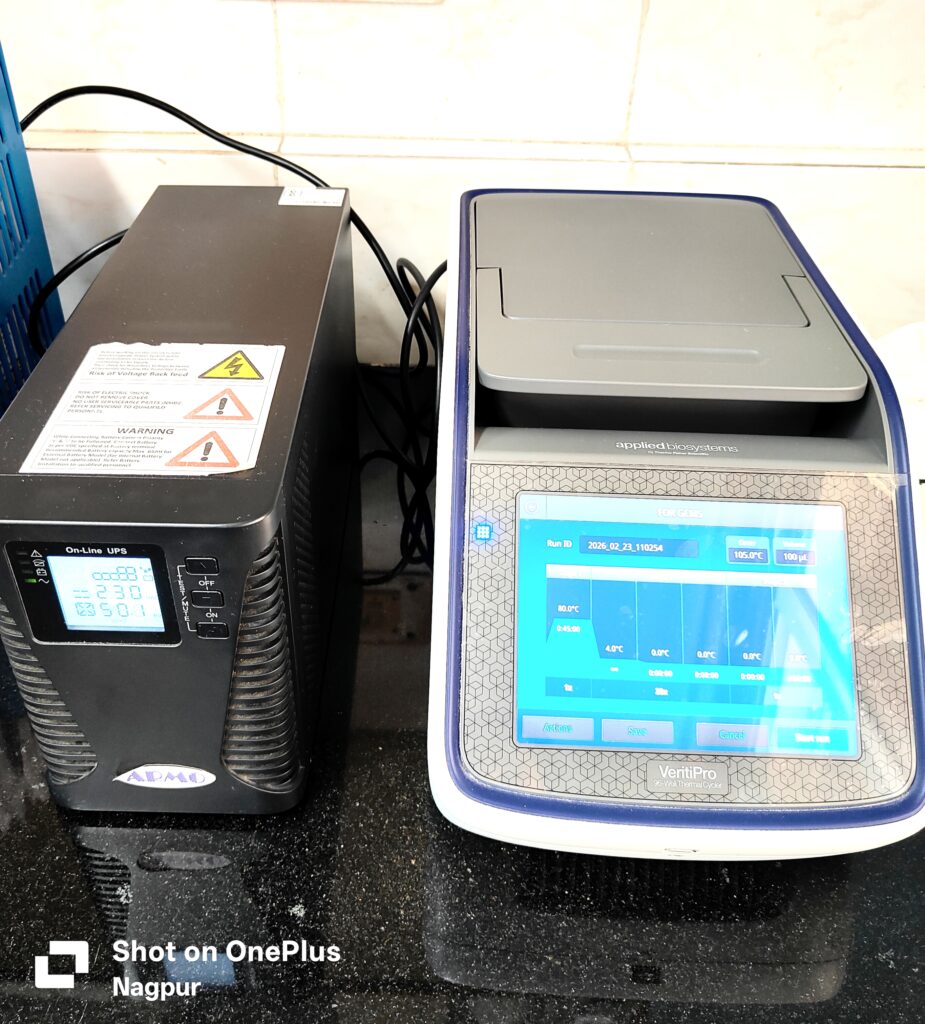
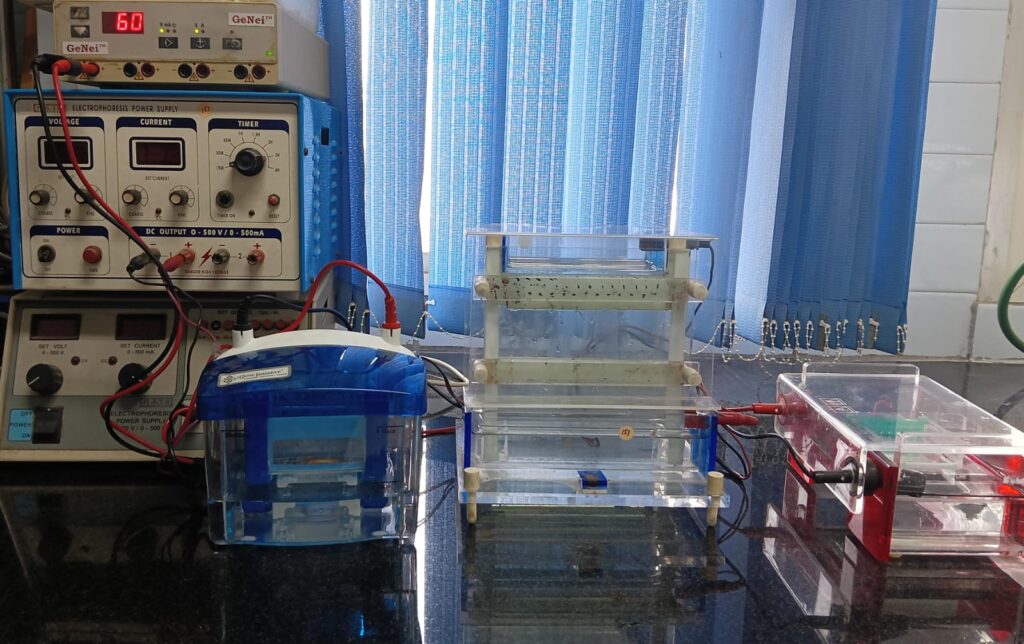
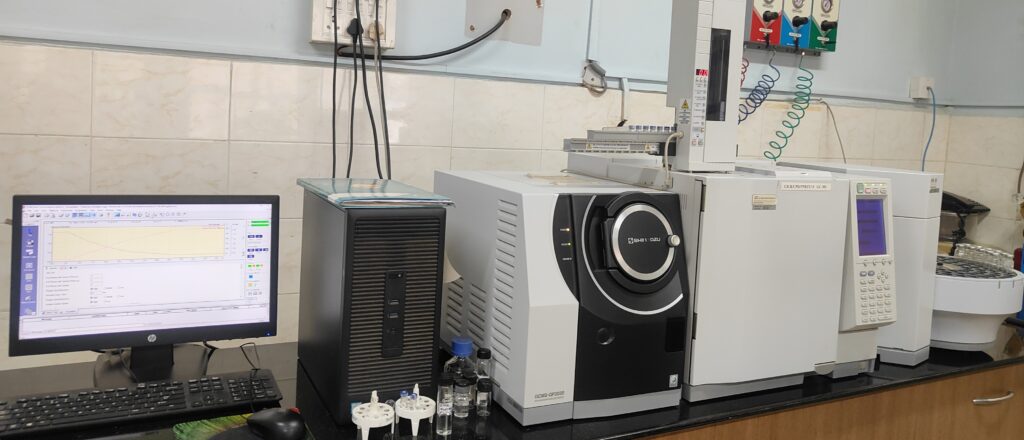
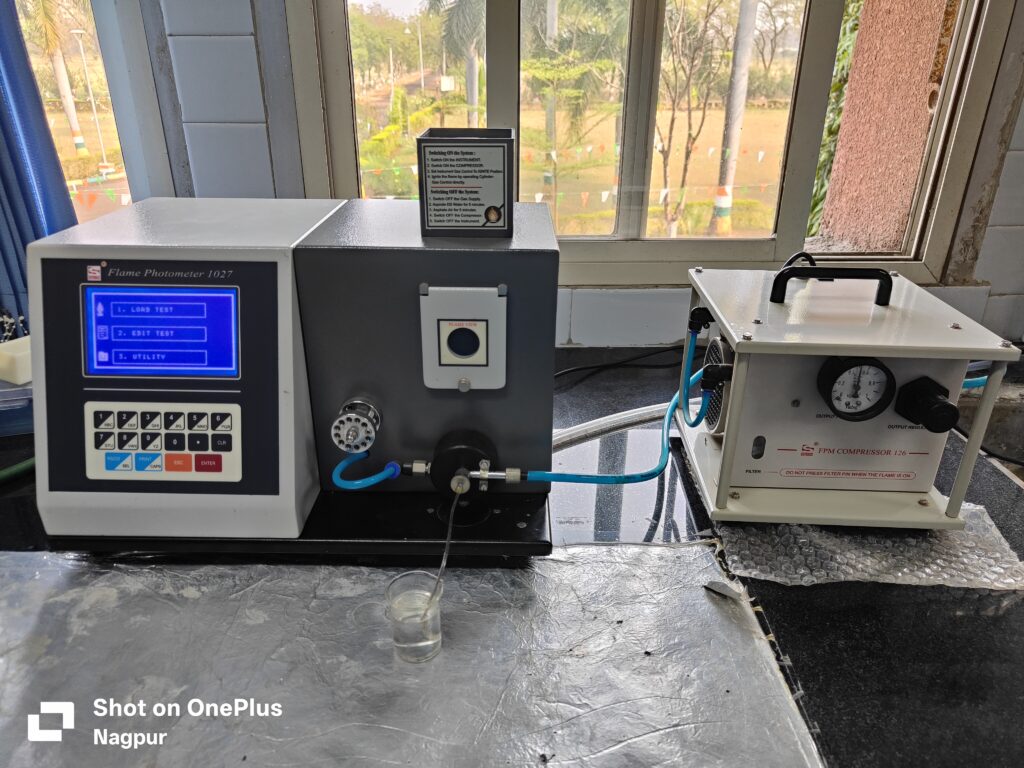
The Biochemistry Laboratory at ICAR-CICR, Nagpur, under Dr. Pooja Verma, Senior Scientist (Plant Biochemistry), specializes in stress biochemistry, stress physiology, enzyme estimation, enzyme kinetics, proteomics, metabolomics, and volatilomics within the cotton ecosystem. Equipped with essential basic and advanced instruments; including precision balance, pH meter, water bath, refrigerators, flame photometer, refrigerated centrifuge, double-beam UV-Vis spectrophotometer, ultra-pure water purification system, thermal cycler (PCR), deep freezer, horizontal/vertical gel electrophoresis systems, and GC-MS, the lab supports comprehensive studies in cotton biochemistry and molecular biology. Presently, the lab is working on mapping plasticizer and pesticide contamination in major cotton growing regions of India and their bioremediation. It also focuses on identification and quantification of volatiles and semi volatile compounds from plants soil, insects and microbes’ by developing and standardizing specific protocols and methods required. As significant achievement, based on the work from Biochemistry lab, several high impact publications have been made. Notably, GC-MS facility/application has yielded in several good research publications as well as product development/patents in the area of plant/microbes/insect volatilomics.
Microbiology laboratory, ICAR-CICR, Nagpur
Microbiology laboratory, ICAR-CICR, Nagpur
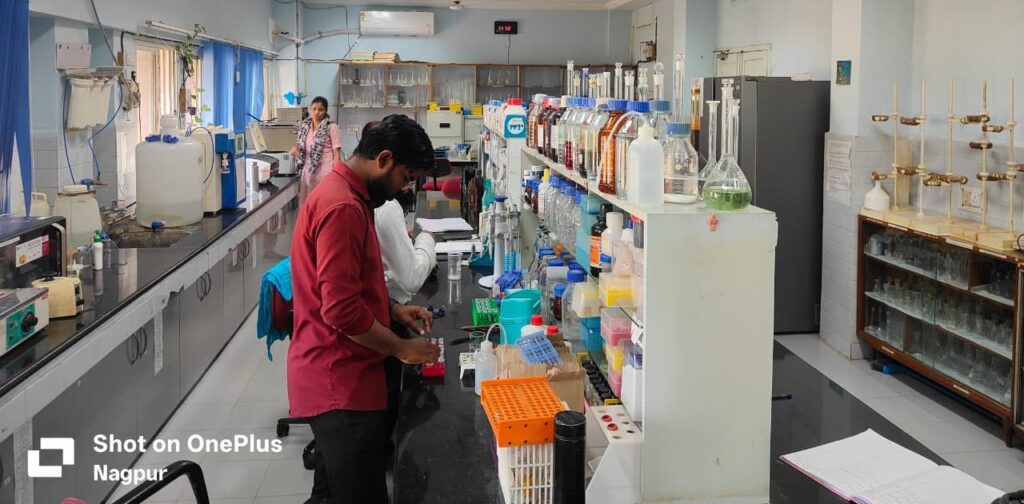
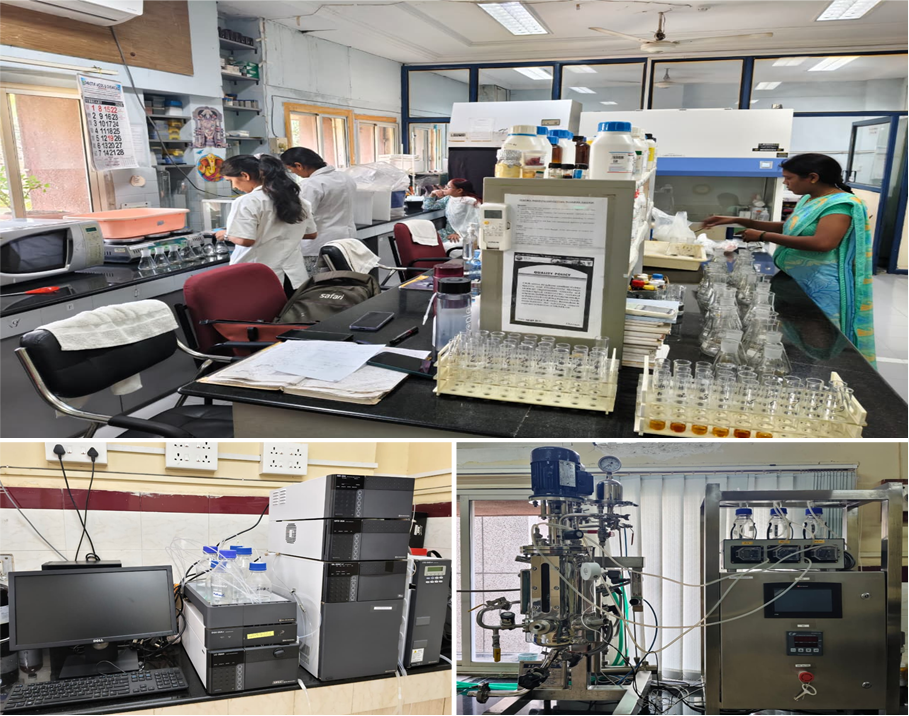
The microbiology laboratory at ICAR-CICR, Nagpur was established in 2008. This lab under Dr. K. Velmourougane as Principal Scientist (Agricultural Microbiology) primarily woks on development of microbial inoculants for enhancement of soil health and cotton productivity using native microbial isolates from cotton ecosystem. Furthermore, this lab works on development of novel microbials, microbial biocontrol agents, and microbial-based formulations for alleviation of abiotic and biotic stresses in cotton. This lab is equipped with basic and advanced instrumentation facilities essential for microbiological activities, which includes, autoclaves, hot air oven, laminar air flow cabinet, bacteriological incubators, precision balance, environmental shaker, spectrophotometer, pH meter, water bath, multimode hot plate, rotary vacuum evaporator, centrifuge, deep freezers, refrigerators, phase contrast/fluorescence microscope, automated insitu fermenter, HPLC, etc. Presently, the lab is working development of microbial formulation for alleviation of abiotic stress (drought and water-logging) in cotton, in addition to development of bacterial-based synthetic volatile formulation for management of foliar and root diseases of cotton. As significant achievement, based on the work from microbiology lab, ICAR-CICR has granted five patents, in which, 4 patents were granted for management of cotton sucking pests using bacterial-based synthetic volatile attractants, and one patent on attraction of beneficial insects to cotton ecosystem.
Brief Introduction of the lab:
The Biotechnology Laboratory at ICAR-CICR, Nagpur is organized into two specialized laboratories
namely, molecular biology and tissue culture. The Molecular Biology laboratory supports cotton
improvement through genetic and genomic workflows, including nucleic acid extraction, PCR/qPCR-
based assays, marker analysis, construct development for transgenic and gene editing, and
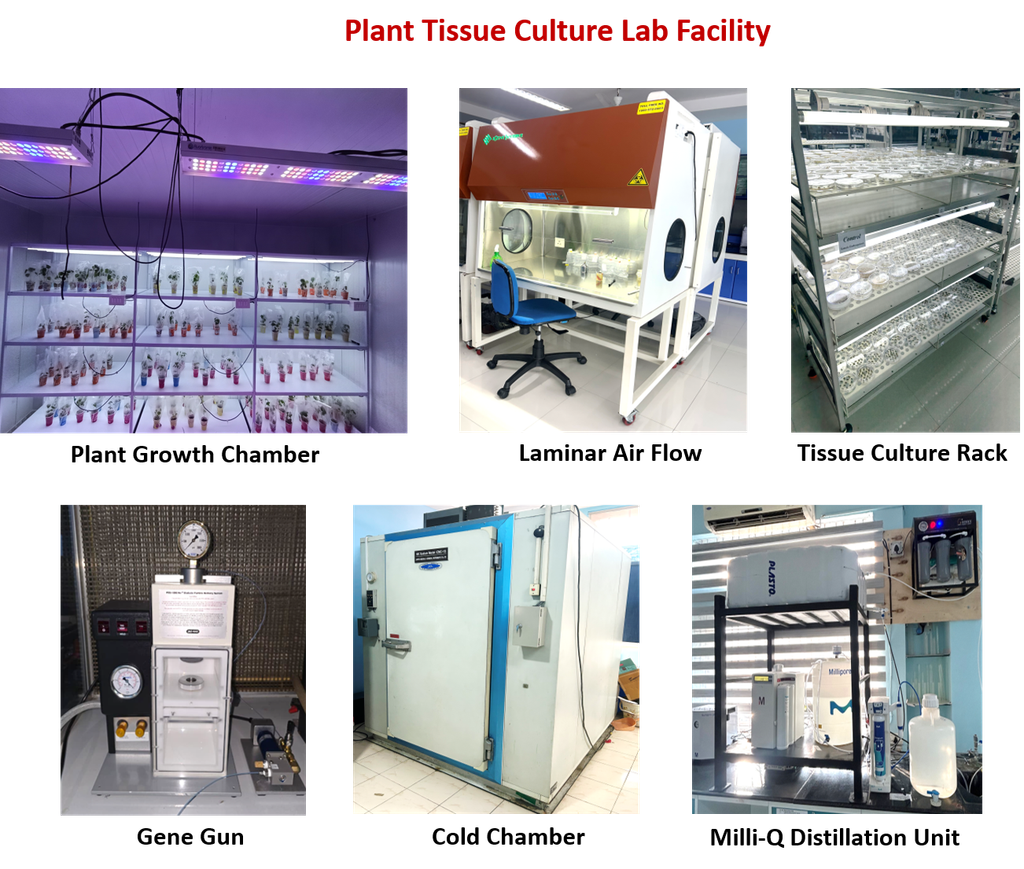
sequencing-ready sample preparation. The Tissue Culture laboratory focuses on cotton in vitro
culture to enable rapid multiplication and regeneration of cotton. Key functions include
establishment of sterile cultures, callus induction, somatic embryogenesis, and acclimatization of
regenerated plantlets. The facility primarily supports cotton improvement pipelines for
transformation and genome editing.
Major Research focus areas: Transgenic development, genome editing, QTL mapping, genomics and
bioinformatics.
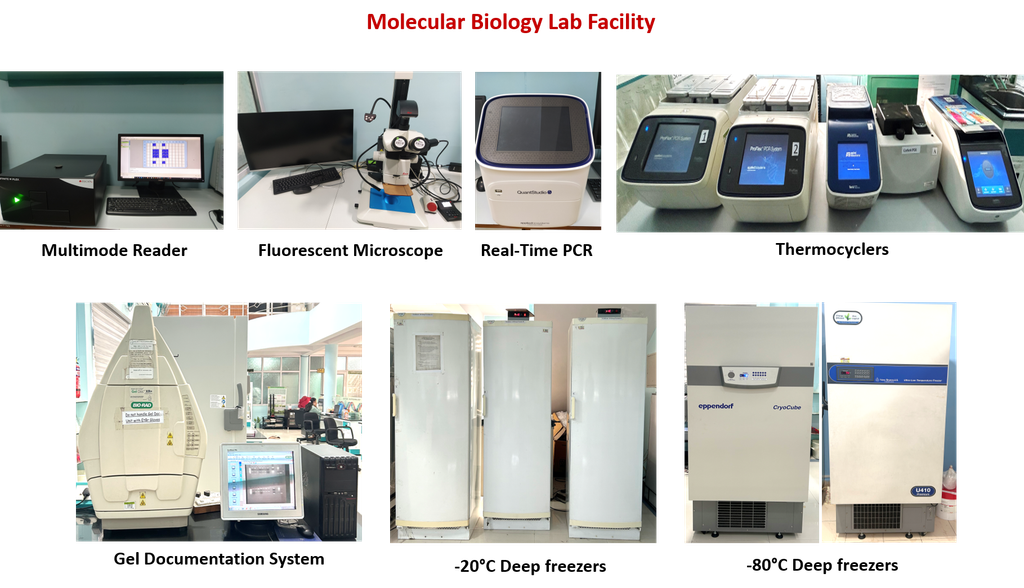
Facilities and key equipment: previously enclosed
Ongoing projects:
- Genome editing in cotton: Enhancing climate resilience and ensuring food security with
genome editing tools. (ICAR-EFC; 2024-2029) - Structure-function relationship studies on farnesol dehydrogenase from Helicoverpa
armigera (Hübner) for developing novel insect growth regulatory molecules. (DST SERB;
2024-2027) - Precise base editing in Acetolactate synthase gene (ALS Gene) for herbicide tolerance in
Cotton. (Institute funded; 2022-2027) - Development of transgenic cotton events for RNAi of chitin synthesis genes from pink
bollworm. (Institute funded; 2024-2029) - Identification and characterization of gene(s)/QTLs for economically important traits in
cotton (Institute funded; 2025-2028) - Development of genotype independent genome editing system in cotton. (Institute funded;
2025-2030) - Mapping QTLs for drought tolerance in Cotton. (Institute funded; 2024-2027)
Significant Achievements:
Development of improved protocol for in planta cotton transformation in elite genotypes.
Characterisation and validation of crucial chitin synthesis gene as RNAi targets for
management of pink bollworm.
Development of genome editing constructs targeting fibre quality, cottonseed oil, abiotic
stress tolerance in cotton.
Brief Introduction of the lab:
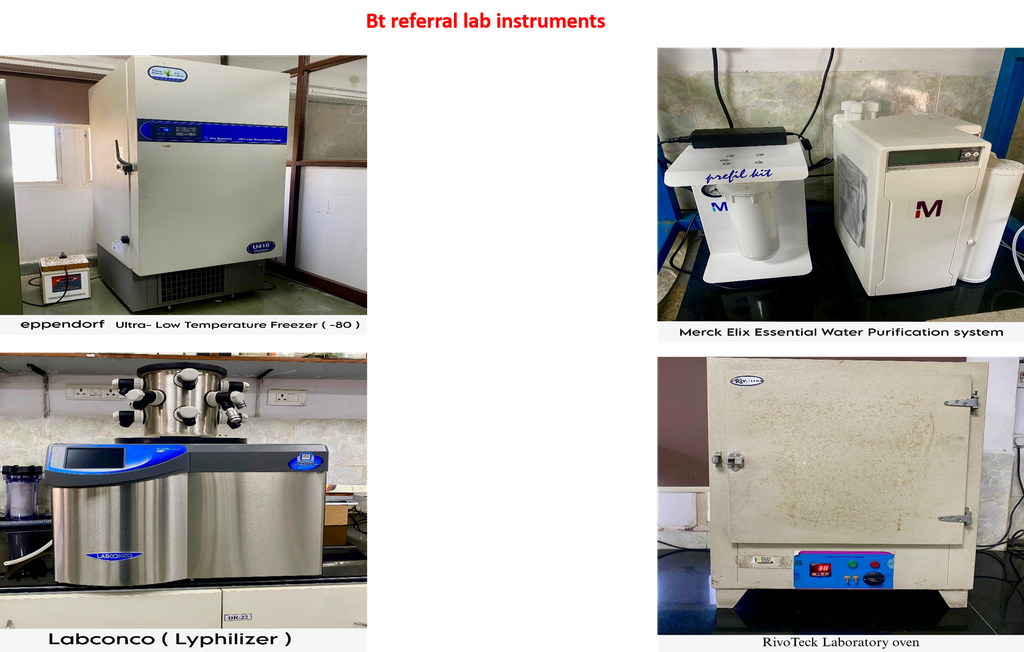
The Biotechnology Laboratory at the ICAR-Central Institute for Cotton Research (CICR), Nagpur, has
been designated by the Government of India as the Central Seed Laboratory and National Referral
Laboratory for Bt Cotton Seeds under the Seeds Act, 1966 and the Seeds Rules, 1968 (Gazette
Notification S.O. 1300(E), dated 12 November 2003 and S.O. 1107 (E), dated 8 May 2008). The
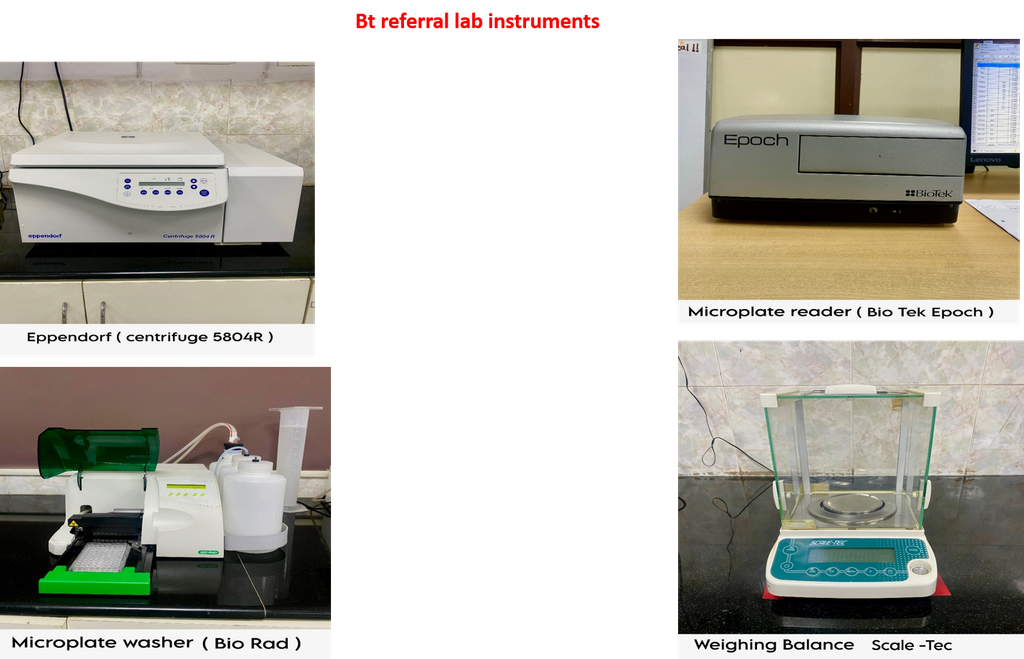
laboratory is mandated to detect the presence or absence of Bt cry toxins (viz. Cry1AC, Cry2AB) in
cotton seeds and serves as the referral authority for Bt cotton seed quality verification and dispute
resolution across India. The laboratory also verifies gene purity and Bt toxin levels for Refugia in Bag
(RIB) seed formats, ensuring correct Bt to non-Bt seed ratios in line with Insect Resistance
Management (IRM) requirements.
Major focus areas: Bt Toxin (Protein) Expression Testing, Refugia in Bag (RIB) Compliance Testing
Facilities and key equipment: PPT enclosed
Ongoing projects:
Testing for BGI and BGII entries (hybrids and varieties) of cotton under ICAR-AICRP on Cotton, and
other station trials.
Significant Achievements:
Since 2017, the laboratory has successfully tested 487 dispute-related samples, providing supporting
evidence required by courts to resolve seed quality litigations and technical conflicts related to Bt-
cotton.